Art Deco Frame: Decorative Retro Black L for Bold Design
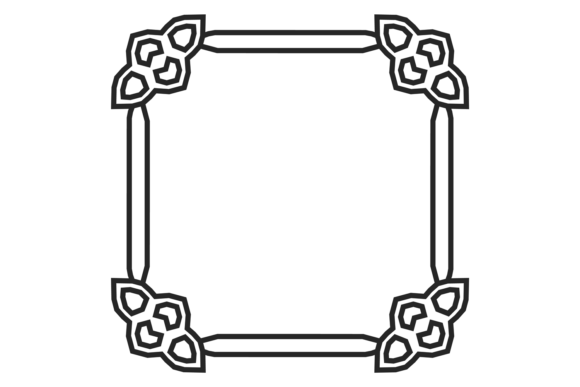
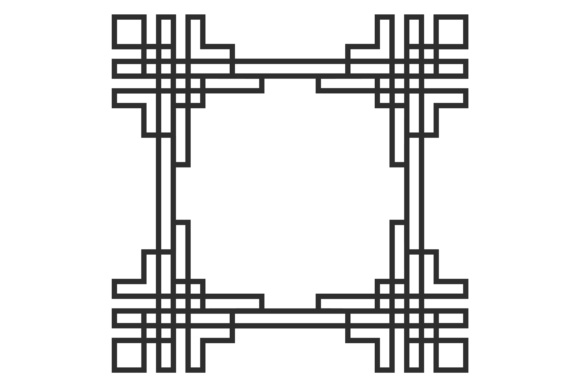
There's a particular kind of confidence that radiates from certain design elements. It’s not just about being seen; it’s about being remembered. The Art Deco Frame. Decorative Retro Black L is one of those elements. It’s not a traditional font with letters and numbers, but a specialized typeface—a set of decorative components designed to build ornate, geometric borders and corner accents. Think of it as a toolkit for instant sophistication, drawing directly from the glamorous, machine-age aesthetic of the 1920s and 1930s.
At its core, this design asset is defined by its sharp, linear geometry, balanced symmetry, and a striking monochromatic palette. The "Retro Black" isn't just a color; it's a statement. These are clean, high-contrast lines that form intricate patterns—fan shapes, sunbursts, stepped pyramids, and intricate interlocking lines. The personality it brings is one of luxury, precision, and a touch of nostalgic grandeur. It feels both historic and surprisingly modern, a bridge between the opulence of the past and the clean lines of contemporary modern typography. For a designer, it’s a shortcut to adding a layer of depth and historical resonance to a project.
Where This Retro Style Truly Shines
The applications for the Art Deco Frame. Decorative Retro Black L are as varied as the projects that seek a touch of elegance. Its strength lies in framing, accenting, and elevating. In logo design, it can create a monogram or emblem that instantly communicates heritage and quality—think high-end cosmetics, boutique hotels, or artisanal spirits. For editorial design, these decorative elements can transform a magazine cover, a chapter heading, or a pull quote into a focal point. They add visual weight and structure to a page layout, guiding the reader's eye.
The digital space is equally receptive. Website headers, social media graphics, and email newsletter banners gain an immediate lift when bordered by these geometric lines. They provide a contained, polished frame for key messages or promotions. In packaging design, particularly for products like chocolate, coffee, or specialty teas, the Art Deco style suggests craftsmanship and premium ingredients. It’s a visual cue that says, "This is something special." Even for personal projects—think wedding invitations, event programs, or a stylish blog header—this font set offers a way to achieve a professional, curated look without needing advanced illustration skills.
The Strategic Impact on Brand and Audience
Using a premium font like this is a strategic choice that influences perception far beyond mere decoration. The visual hierarchy it creates is immediate and powerful. An Art Deco frame naturally draws the eye inward, making the content it surrounds—be it a headline, a price, or a photo—the undisputed star. This guides user experience and ensures your most important message isn’t lost.
For brand identity, consistency is key. Adopting the Art Deco Frame as a recurring motif across your website, business cards, social media, and packaging builds a cohesive and recognizable visual language. This consistency fosters trust and professionalism. The style itself carries specific connotations: glamour, stability, and a forward-looking optimism rooted in tradition. This can shape how your audience perceives your brand before they read a single word of your copy. It’s a form of visual storytelling that taps into a well-established aesthetic vocabulary, making your brand feel both timeless and intentional.
Making the Most of Your Art Deco Toolkit
Before integrating the Art Deco Frame. Decorative Retro Black L into your workflow, a practical evaluation is wise. First, consider your project's core message. Does "glamorous," "geometric," or "heritage" align with your brand's voice? This style is assertive, so it pairs best with projects that have a clear point of view.
Next, think about font pairing. The decorative nature of the Art Deco elements means they should be balanced with simpler, highly readable typefaces for body text. A clean sans serif font or a classic serif font often works beautifully, providing a quiet counterpoint to the ornate frames. Avoid pairing it with another highly stylized script font or handwritten font, as this can create visual chaos.
Always test the specific file formats provided—whether it's EPS, JPG, SVG, or transparent PNG. An SVG or vector file will offer infinite scalability for print and large-scale applications, while a transparent PNG is perfect for quick digital overlays. Check the licensing. Is it a commercial font suitable for client work and merchandise? Understanding these details ensures your design process is smooth and legally sound.
Finally, use it with intention. These frames are powerful design assets, but their impact diminishes with overuse. A single, well-placed frame on a homepage hero section can be more effective than scattering elements across every page. Let the Art Deco style serve as an accent that highlights your content, not a costume that overwhelms it. When used thoughtfully, this retro-inspired toolkit becomes more than just decoration—it becomes a cornerstone of a compelling and sophisticated visual narrative.