Snake Drawing in Folk Style: Decorative Art for Modern Design
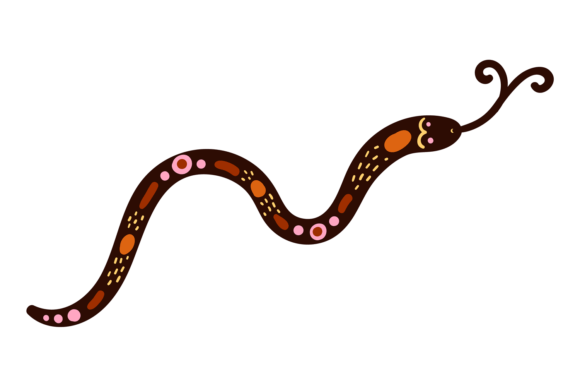
There’s a certain magic in folk art. It carries the weight of tradition, the warmth of handcrafted detail, and a visual language that feels both ancient and immediately familiar. The Snake Drawing in Folk Style. Decorative design captures this essence perfectly. It’s not just an illustration; it’s a piece of cultural storytelling rendered in a bold, graphic form. The snake, a powerful symbol across countless cultures representing everything from rebirth and wisdom to protection and cunning, is reimagined through the lens of ethnic pattern and meticulous line work. The result is a versatile design asset that feels authentic, textured, and full of personality.
Visually, this style is characterized by its intricate, repetitive patterns. You’ll see scales transformed into geometric motifs, the snake’s body flowing with curves adorned with dots, lines, and symbolic shapes. The color palette often leans towards earthy tones, rich reds, deep blues, and natural ochres, though it works brilliantly in monochrome as well. The overall appeal lies in its decorative nature—it’s designed to be seen and to adorn. Unlike a simple line drawing, a folk-style snake has a presence, a rhythm that draws the eye and tells a story without words. It’s a creative font for the visual world, where each element is a carefully considered glyph in a larger, beautiful alphabet of tradition.
Where This Decorative Style Truly Shines
The applications for such a distinctive illustration style are surprisingly broad. Its strength is in projects that aim to communicate authenticity, heritage, or a handcrafted aesthetic. Think beyond the obvious. Yes, it’s perfect for logo design for artisanal brands, breweries, or studios with an earthy, organic ethos. But its power extends into packaging design for specialty goods—imagine this snake wrapping around a bottle of hot sauce or a bag of premium coffee, instantly conveying a sense of origin and care.
In editorial design, it can serve as a stunning chapter opener, a section divider, or a repeated background pattern in a magazine spread about culture, travel, or design. For digital projects, it translates into compelling hero images for websites, engaging social media graphics that stop the scroll, or unique merchandise designs for print-on-demand platforms. The key is context. This isn’t a style for minimalist tech startups. It’s for brands and projects that want to tell a richer, more textured story. It’s for the blogger writing about global crafts, the entrepreneur launching a botanical skincare line, or the publisher creating a book on mythology.
Integrating Folk Art into Your Brand Identity
Using a strong visual element like the Snake Drawing in Folk Style. Decorative requires a thoughtful approach to maintain brand perception and consistency. The goal is to enhance, not overwhelm. Here’s how to make it work for you:
- As a Focal Point: Use the illustration as the central hero of your design. Build a clean, balanced layout around it, allowing the intricate details of the snake to command attention. Pair it with a clean, legible sans serif font for body text to ensure readability and create a clear visual hierarchy.
- As a Texture or Pattern: Extract elements from the design—like the scale patterns or border motifs—to create a subtle, repeating background texture. This adds depth and a unique flavor to websites, business cards, or packaging without making the main illustration compete with your core messaging.
- In Selective Applications: Use the full snake illustration only on high-impact touchpoints: your website’s About page, the cover of a lookbook, a special edition product label. Use simplified elements or a single-color version elsewhere for a more subtle nod to the style. This builds recognition and makes the full illustration feel more special when it appears.
When it comes to font pairing, contrast is your friend. The ornate, organic nature of the folk art pairs best with typefaces that are structured and clean. A sturdy serif font can add a touch of classic authority, while a geometric sans serif font offers modern simplicity. Avoid pairing it with other highly decorative or script fonts, as this will create visual chaos and undermine professionalism. The illustration is your star; your typography should be the reliable supporting cast.
A Practical Checklist for Using This Design Asset
Before you dive in, run through this quick evaluation to ensure a perfect fit:
- Audience Alignment: Does your target audience appreciate craftsmanship, tradition, or cultural motifs? This style resonates deeply with certain demographics but may feel out of place for others.
- Project Tone: Is your project’s tone authentic, earthy, narrative, or artisanal? If it’s corporate, ultra-modern, or minimalist, this might not be the right match.
- Technical Check: Always review the file formats included. A high-quality EPS or vector file is crucial for scaling without loss of detail, especially for large-format print applications like posters or signage. JPG files are perfect for digital use. Ensure you have the correct license for your intended use, especially for commercial projects.
- Color Flexibility: Test the design in your brand’s color palette. Does it retain its impact when converted to a single color? Many folk designs are built on strong line work and hold up beautifully in monochrome, which is a huge asset for versatile branding.
Ultimately, the Snake Drawing in Folk Style. Decorative is more than just a premium design asset. It’s a bridge between the timeless appeal of ethnic art and the demands of contemporary modern typography and branding. When used with intention, it can infuse your projects with a unique, handcrafted soul that generic graphics simply cannot match. It’s about adding a layer of meaning and beauty that engages your audience on a deeper level, turning a simple design into a memorable story.