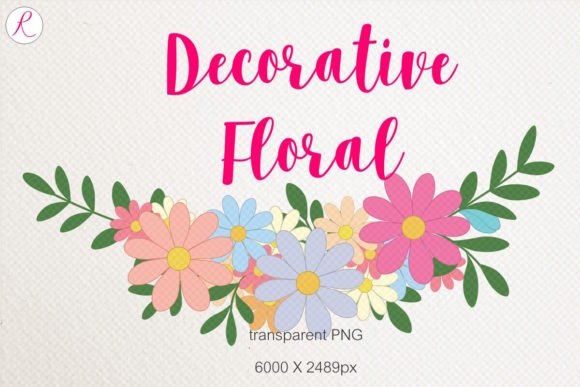
Decorative Floral: A Design Asset for Elegant Branding
When you are building a brand or creating a personal project, the visual language you choose speaks volumes before a single word is read. Typography is the voice of design, and finding a typeface that balances personality with professionalism is often the hardest part of the creative process. This is where Decorative Floral enters the conversation. It is not merely a set of characters; it is a specific visual style designed to evoke feelings of nature, growth, and sophistication. For designers, entrepreneurs, and hobbyists looking to add an organic touch to their work, understanding how to utilize this asset effectively can transform a standard layout into something memorable.
Visual Characteristics and Personality
At its core, Decorative Floral is a display font that leans heavily into botanical aesthetics. It is designed to capture the essence of organic movement and natural beauty. Unlike rigid geometric typefaces that feel industrial and cold, this style feels handcrafted and alive. The visual characteristics often include intricate details that mimic the flow of vines, petals, or leaves, giving the letters a sense of depth and texture.
The personality of this typeface is unmistakably romantic and elegant. It carries a certain softness that makes it ideal for projects requiring a gentle touch. However, it is important to distinguish this from a standard script font or handwritten font. While it may share the flowing connections of script, Decorative Floral usually incorporates more ornamentation. This makes it a powerful tool for creating a high-end look, often associated with premium font collections that focus on modern typography with an artistic flair.
Ideal Applications for Creative Professionals
The versatility of Decorative Floral allows it to shine across a wide array of creative fields. For those in brand identity and logo design, this typeface is a strong candidate for industries that want to project an image of freshness, luxury, or artisanal quality. Think of wedding planners, organic skincare brands, boutique florists, or high-end jewelry makers. In these contexts, the font does the heavy lifting of establishing the brand's mood instantly.
For editorial design and packaging design, the font works beautifully for headlines or feature titles. Imagine a magazine cover for a lifestyle publication or the front label of a gourmet jam jar. The decorative elements catch the eye and draw the reader in. However, because of its intricate nature, it is rarely suited for body text. It functions best as a focal point, paired with a clean sans serif font or a simple serif font to ensure the message remains readable.
Digital and Print Compatibility
In the realm of web design and social media graphics, visual noise is a constant battle. Decorative Floral can be a double-edged sword here. When used as a hero image header or a static graphic element, it adds immense value. It is particularly effective for Instagram quotes, Pinterest pins, or YouTube thumbnails where standing out in a crowded feed is essential. The high-resolution nature of quality assets ensures that the design remains crisp even on high-density screens.
Regarding print, the user experience is generally positive, provided the file quality is high. For instance, when working with assets like the Rassamee design collection, which offers transparent PNGs at 300 DPI, the output is professional-grade. This high resolution is critical for print projects such as greeting cards, invitations, and posters. It ensures that the fine details of the floral motifs do not turn into muddy pixels when sent to the printer.
Strategic Implementation and Design Hierarchy
Using a decorative typeface effectively requires a strategic approach to visual hierarchy. The goal is to guide the viewer's eye. Decorative Floral should be reserved for the most important words or the main headline. By making this the largest element on the page, you establish the mood immediately.
Once the mood is set, the supporting text needs to ground the design. This is where font pairing becomes crucial. A common mistake is pairing an ornate floral font with another stylized font, such as a bold script. This creates visual competition and confuses the reader. Instead, opt for neutrality in your supporting text. A geometric sans serif or a transitional serif provides a clean backdrop that allows the decorative elements to breathe without overwhelming the layout.
Evaluating Project Fit and Readability
Before committing to Decorative Floral for a project, it is wise to test its readability in the specific context it will be used. For example, if you are designing a sign for an event, the text needs to be legible from a distance. Highly decorative fonts can sometimes lose their definition when scaled down or viewed from afar. Print a test sample or view the digital mockup at 100% zoom to ensure the "personality" of the font does not compromise its function.
For entrepreneurs and small business owners creating their own marketing materials, consider the longevity of the design. Trends in modern typography shift quickly. While floral designs are timeless, the specific execution can date a project. Aim for a classic interpretation rather than something overly trendy to ensure your brand identity remains relevant for years to come.
Technical Considerations and Workflow
From a workflow perspective, working with high-quality design assets saves time and frustration. When a file is provided as a transparent PNG, it integrates seamlessly into software like Adobe Photoshop, Illustrator, Canva, or Procreate. You do not need to spend time removing backgrounds or cleaning up edges. This efficiency is vital for content creators who need to produce high volumes of work, such as daily social media posts or weekly blog graphics.
It is also worth noting the technical reality of color reproduction. As mentioned in standard design remarks, colors may vary between monitors and printers. This is a universal truth in digital design, not specific to this asset. A professional designer always calibrates their monitor and requests a physical proof for critical print jobs. This ensures that the delicate hues often found in floral designs—soft pinks, sage greens, or muted lavenders—print true to the digital file.
Enhancing Brand Perception
Ultimately, the choice of typography is a psychological trigger for your audience. Choosing a creative font like Decorative Floral signals to your audience that you value aesthetics and attention to detail. It suggests that the product or service inside is curated and special. For a greeting card designer, it implies that the card itself is a gift. For a blogger, it suggests a polished and thoughtful perspective.
By leveraging the natural elegance of this typeface, you can elevate a simple project into a sophisticated piece of communication. Whether you are crafting a logo, designing a wedding invitation, or curating a social media feed, this style offers a way to connect with your audience on an emotional level, bridging the gap between functional communication and artistic expression.