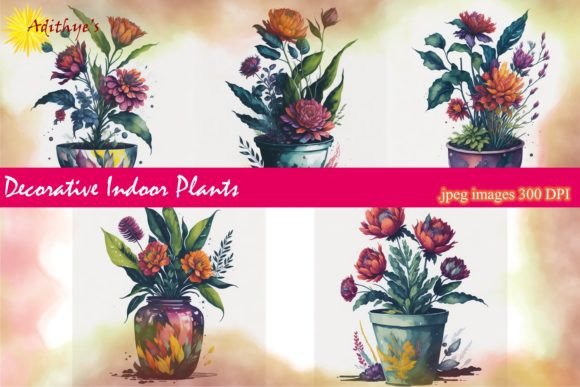
Decorative Indoor Plants: Lush Visuals for Creative Projects
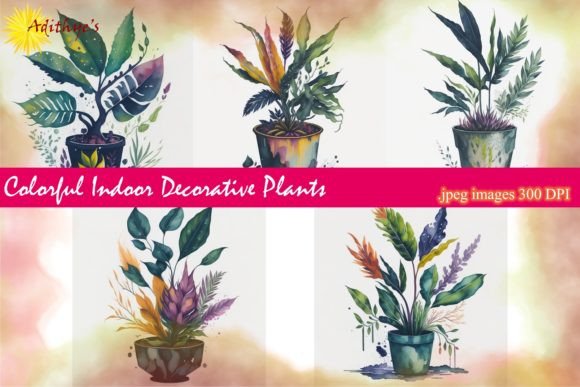
There’s a specific kind of warmth that comes from a room filled with greenery. It’s organic, calming, and effortlessly stylish. When I curate design assets, I look for that same energy—visuals that breathe life into a project without overwhelming the core message. That is exactly why the Decorative Indoor Plants image collection stands out. This isn't just a random assortment of flora; it is a curated set of high-resolution, professional-grade botanical illustrations designed to bring a sophisticated, nature-inspired aesthetic to your creative work.
The collection offers a distinct personality that leans heavily into the "biophilic" design trend, which focuses on connecting humans and nature within built environments. The visual style here is crisp, vibrant, and deeply detailed. Because these images are delivered in .jpeg format at sizes above 4000 pixels and 300 DPI, you aren't dealing with fuzzy concepts or low-res placeholders. You are working with print-ready assets that maintain their integrity even when scaled up. The "personality" of these plants is versatile—ranging from the lush, tropical vibe of broad-leaf monstera to the architectural geometry of succulents and ferns. It is a modern typography of nature, where the leaves act as the letterforms and the pots provide the structure.
Strategic Applications: From Branding to Print-on-Demand
As a designer or entrepreneur, you know that finding design assets that work across multiple platforms is the holy grail of efficiency. The true value of the Decorative Indoor Plants pack lies in its adaptability. In the world of brand identity, these images are invaluable. If you are building a brand for a wellness coach, a sustainable skincare line, or a boutique café, these botanicals serve as the perfect foundational imagery. They soften the hard edges of corporate logo design and add an organic touch to packaging design.
For those in the Print-on-Demand (POD) space, the utility is immediate. Imagine creating a series of t-shirt designs where the botanical elements are layered behind a handwritten font or a script font. The high resolution ensures that the intricate details of the leaves print sharply on cotton and polyester blends. Beyond apparel, think about the stationery market. These assets are perfect for creating premium greeting cards, gift wrap, and notebook covers. The 300 DPI quality is non-negotiable for stationery; it ensures that the green hues don't turn muddy when sent to the printer.
Digital creators will find just as much use here. Social media graphics demand constant visual refreshment. Using these plant images as background layers for Instagram stories or Pinterest pins can drastically increase engagement. They provide a neutral yet textured background that allows your typography—whether it’s a sans serif font for a clean look or a serif font for elegance—to pop without competing for attention. Web design also benefits immensely; botanical headers are currently trending for lifestyle blogs and e-commerce sites, offering a welcoming "above the fold" experience.
Influencing Perception and Visual Hierarchy
Every design element you choose influences how your audience perceives the final product. In editorial design and publishing, the integration of Decorative Indoor Plants can significantly alter the mood of a layout. Green is psychologically associated with growth, tranquility, and health. By incorporating these images, you aren't just filling white space; you are setting an emotional tone.
Consider how these images affect visual hierarchy. In a busy magazine spread or a cluttered website landing page, a large, high-contrast botanical image can act as a focal point, drawing the eye exactly where you want it. Conversely, a faded or opacity-reduced version of these plants can serve as a watermark or texture, supporting the main text without distracting from it. This flexibility allows you to manipulate the viewer's focus, ensuring that your modern typography and headlines remain the primary drivers of the message.
There is also the matter of professionalism. Stock imagery often feels generic, but high-quality botanical illustrations suggest a level of curation and care. When a small business owner uses these assets in their marketing collateral, it signals to the customer that the brand cares about aesthetics and quality. It builds a cohesive brand identity that feels intentional rather than accidental.
Practical Guidance for Implementation
When you download this zip folder, you are getting a toolkit. To get the most out of it, you need to approach the assets with a strategy. Here is how I recommend you handle the Decorative Indoor Plants collection for maximum impact:
- Evaluate the Project Fit: Before dropping an image into your canvas, ask yourself if the "vibe" matches. If you are designing for a gritty, industrial tech startup, a delicate fern might feel out of place. However, if you are working on a wedding invitation or a health food menu, these plants are the perfect fit.
- Master the Art of Font Pairing: The visual weight of these plants is medium to heavy. They pair beautifully with typefaces that have some presence. A thin, delicate script font might get lost against a dense monstera leaf. Try pairing the botanicals with a bold display font or a sturdy sans serif font to create a balanced contrast.
- Color Harmony: While the plants are naturally green, don't be afraid to manipulate the colors in Photoshop or Illustrator to match your brand identity. Desaturating them to a grayscale or sepia tone can turn a vibrant tropical image into a sophisticated vintage texture suitable for a premium font showcase.
- Layering Techniques: Don't just use the images as flat backgrounds. Use clipping masks to place text inside the leaves, or use them as frames to border your content. This adds depth and a three-dimensional quality to your creative font projects.
Finally, always review the licensing. Since you intend to use these for commercial font projects, merchandise, and client work, ensure you understand the terms. The included license typically covers these uses, giving you the freedom to create and sell your designs with confidence. By treating these images as creative assets rather than just pictures, you unlock a world of potential for your business and your art.