Japanese Floral Pattern: A Decorative Flow for Modern Design
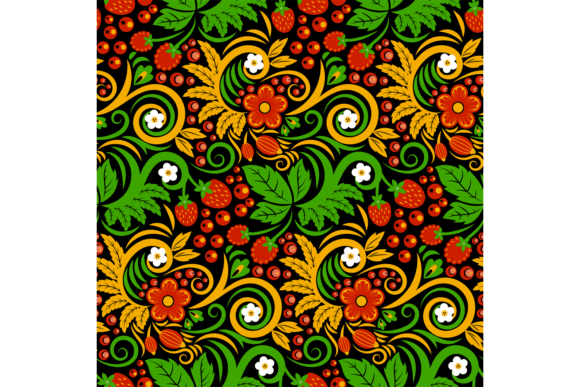
When you first encounter the Japanese Floral Pattern typeface, it feels less like a font and more like a piece of art. This isn't your standard serif or sans serif workhorse; it is a premium font that prioritizes atmosphere over strict legibility. The defining characteristic of this typeface is its intricate, woven aesthetic. Imagine letterforms that appear to be constructed from delicate vines, or perhaps brushstrokes that intertwine with floral motifs. It captures the essence of decorative flow, where the negative space inside and around the letters is just as important as the strokes themselves.
The visual personality of this style is organic, serene, and deeply traditional yet capable of a modern edge. It often mimics the fluidity of ink wash painting (sumi-e) but adds the complexity of botanical illustration. Unlike a rigid geometric font, the Japanese Floral Pattern invites the eye to wander. It is a display font at its core, designed to command attention in headlines rather than disappear into a body of text. The botanical elements integrated into the vector design give it a living, breathing quality that static, mechanical typefaces simply cannot replicate.
Strategic Applications: Where to Use This Decorative Style
Understanding where to deploy a creative font like this is half the battle. Because of its ornamental nature, the Japanese Floral Pattern shines in contexts where storytelling and mood are paramount. It is an exceptional choice for logo design, particularly for brands in the wellness, beauty, fashion, or artisanal food sectors. If your brand identity relies on conveying a sense of calm, luxury, or nature, this typeface does the heavy lifting for you.
Beyond branding, consider this font for packaging design. Imagine a tea box, a high-end cosmetics label, or a boutique candle wrapper using this decorative flower aesthetic. The texture of the font creates a tactile feeling even on a flat screen or paper. It also works wonders for editorial design, specifically for magazine covers, pull quotes, or chapter headings in coffee table books. For digital creators, it is a powerhouse for social media graphics. In a feed dominated by clean sans serifs, a flowing, botanical headline can stop the scroll instantly.
Visual Hierarchy and Brand Perception
Typography is silent communication, and the Japanese Floral Pattern speaks volumes about taste. Using this font establishes a specific visual hierarchy. It naturally gravitates to the top of the pyramid—the headline, the hero image overlay, or the main event. By pairing it with a clean, neutral modern typography option (like a minimalist sans serif), you create a dynamic contrast. The floral font handles the "emotion" of the design, while the secondary font handles the "information."
This choice significantly influences brand perception. It suggests that the brand pays attention to detail and values craftsmanship. However, there is a fine line between elegant and chaotic. If you use a font with such a strong decorative flow for small text or dense paragraphs, you destroy readability. The personality of the font is loud; therefore, it must be used in moderation to maintain professionalism. When used correctly, it boosts audience engagement because it offers a visual break from the standard corporate typefaces we see every day.
Practical Guide: Selecting and Pairing
Choosing this font requires a shift in mindset from standard web design or print layouts. Here is how to evaluate the fit for your project:
- Evaluate the Vector Quality: Since this relies on vector illustration (often available in EPS or JPG formats for reference), ensure the outlines are clean. You don't want jagged edges when scaling up for large format printing like posters or signage.
- Test Your Pairings: As a display font, it needs a partner. Avoid pairing it with other script fonts or handwritten fonts—that creates visual noise. Instead, look for a sturdy serif font for a classic look or a sans serif font for a contemporary vibe.
- Review the Glyphs: A high-quality premium font often comes with alternates and ligatures. Check if the Japanese Floral Pattern includes different stylistic sets. This allows you to customize the look so it doesn't appear generic.
- Licensing for Commercial Use: If you are a small business owner or entrepreneur, verify the license. Ensure it covers commercial font usage for merchandise if you plan to sell products featuring the design.
Final Thoughts on Versatility
While the name suggests a specific cultural origin, the Japanese Floral Pattern aesthetic is surprisingly versatile. It can be adapted for wedding invitations, music album covers, or even user interface elements in specific app contexts (like a "Zen mode" toggle). The key to success is respecting the complexity of the design. Treat this design asset not just as a tool for writing words, but as a central piece of visual art that anchors your entire project. When you balance the decorative flow with functional design principles, the result is timeless and captivating.