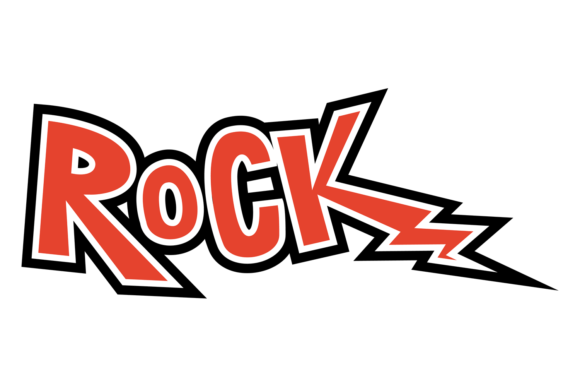
Rock Logo. Decorative Font Word. Music T: Amplify Your Visual Identity
There is a distinct energy that certain typographic forms carry. They don't just spell out words; they sound them out visually. Rock Logo. Decorative Font Word. Music T is a prime example of this phenomenon. It’s a typeface that doesn’t whisper—it roars. Designed for high-impact statements, this decorative font captures the raw, electrifying spirit of rock music and translates it into a usable design asset. Its characters are often crafted with sharp angles, bold strokes, and a gritty texture that feels both rebellious and meticulously designed. The personality is unmistakable: confident, edgy, and unapologetically loud. This isn't a font for fine print; it's a headline act, built to command attention on a poster, a t-shirt, or a digital banner.
Visual Characteristics and Unmistakable Vibe
At its core, the visual appeal of Rock Logo. Decorative Font Word. Music T lies in its deliberate imperfections and heavy presence. Imagine letterforms that could be etched into a leather jacket or stenciled on a road case. You’ll often find elements like sharp serifs or slab-like terminals that give it a solid, grounded feel, reminiscent of classic serif font structures but pushed to an extreme. Alternatively, it might adopt a more deconstructed, grungy aesthetic with rough edges and uneven baselines, injecting a sense of authentic, hand-crafted chaos. The "Music T" descriptor hints at its inherent connection to the auditory world—it’s a creative font that visually translates rhythm, distortion, and power. It functions brilliantly as a display font, where its full personality can shine in large-scale applications without compromising legibility at a distance.
Where This Font Truly Shreds
Knowing where to deploy such a powerful typeface is key to its effectiveness. Its strengths are maximized in contexts where brand identity needs to be bold, memorable, and slightly subversive.
- Logo Design & Brand Identity: This is its natural habitat. For bands, music festivals, extreme sports brands, or any startup targeting a youthful, energetic demographic, this font can form the backbone of a striking brand identity. It immediately communicates a specific attitude without a single word of explanation.
- Merchandise & Apparel: Think t-shirts, hoodies, and caps. The font’s robust character ensures it translates well to screen printing and embroidery, making it a staple for packaging design of music merchandise or apparel lines.
- Event Promotion & Editorial Design: Posters for concerts, album covers, and magazine headers for music or lifestyle publications benefit immensely. In editorial design, it can be used for pull quotes or section dividers to inject energy into a layout.
- Digital & Social Media: For web design, it’s perfect for hero sections or call-to-action buttons that need to pop. On social media graphics, it can stop the endless scroll, making it ideal for YouTube thumbnails, Instagram stories, and promotional banners for online events.
Making It Work: Practical Guidance for Designers and Creators
Using a premium font like this effectively requires more than just installation. It demands thoughtful integration into your project’s visual language.
Evaluating Project Fit
Before you commit, ask yourself: does the project’s core message align with the font’s personality? Rock Logo. Decorative Font Word. Music T conveys rebellion, energy, and a certain rawness. It would be a mismatch for a corporate law firm or a delicate bakery brand, but a perfect fit for a craft brewery, a skateboard company, or an independent record label. Consider your audience. Adults in the 20-50 range, especially those in creative fields, will recognize and appreciate its stylistic cues.
Mastering Font Pairing
Pairing is where strategy meets art. This decorative font should almost never be used for body copy. Its role is to grab attention. To create a balanced font pairing, partner it with a clean, highly legible sans serif font or a simple serif font for paragraphs. For example, a bold, jagged headline in Rock Logo paired with a font like Open Sans or Lora for the supporting text creates a clear visual hierarchy. The contrast allows the decorative font to be the star while ensuring the overall design remains professional and readable.
Testing and Refinement
Always test the font in context. View it at the actual size it will be used. Does it remain legible? Check the kerning and spacing—sometimes decorative fonts need manual adjustment. If the font includes multiple styles (like a regular, bold, or italic), explore them to see which best fits your layout. Most importantly, review the commercial font license. Ensure it covers your intended use, whether for a client project, merchandise for sale, or digital advertising. Understanding the licensing is a non-negotiable part of using any design assets professionally.
Ultimately, Rock Logo. Decorative Font Word. Music T is more than just a collection of glyphs. It’s a tool for injecting personality and a specific mood into your work. When used with intention and paired wisely, it can elevate a design from mundane to memorable, helping you build a visual identity that resonates with your target audience on a visceral level. It’s a testament to how modern typography