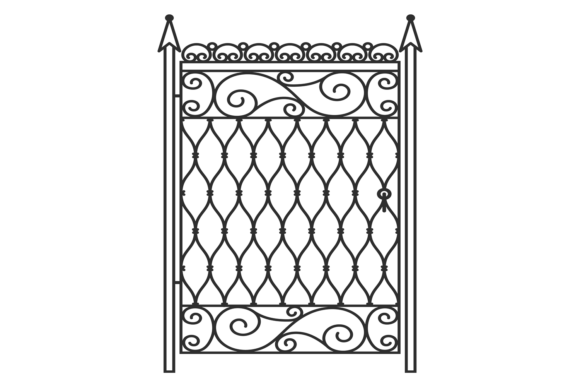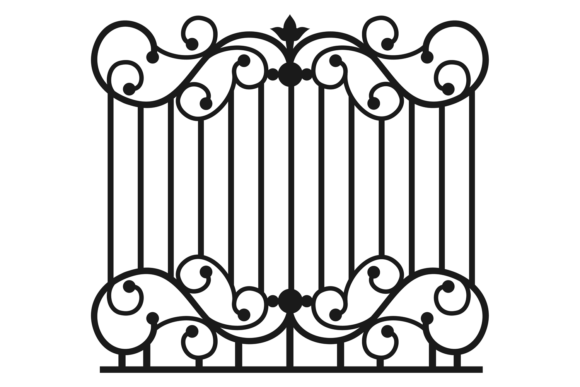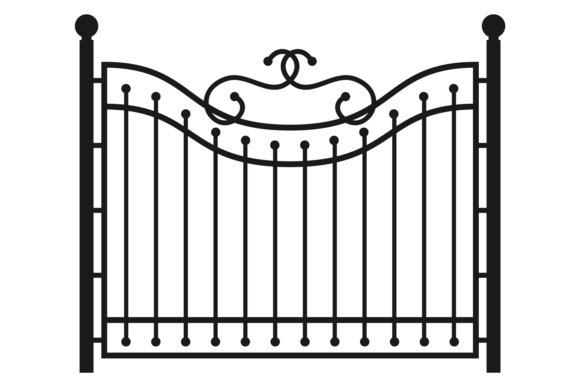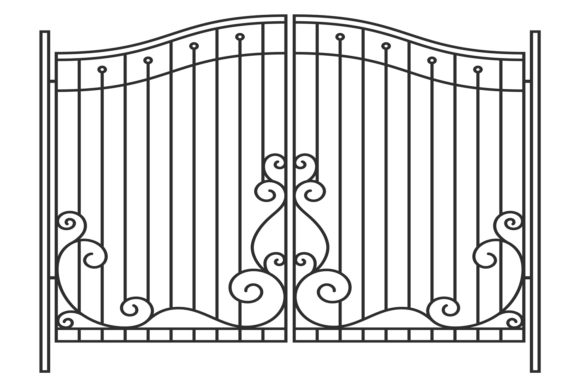
Fence Door in Ornate Decorative Iron: A Font of Grandeur
When you first encounter the Fence Door in Ornate Decorative Iron typeface, it doesn’t just sit on the page—it constructs a scene. This isn't your average display font; it is a visual representation of craftsmanship, drawing immediate parallels to the intricate metalwork found on historic wrought-iron gates. For designers, marketers, and content creators, this specific style offers a bridge between digital convenience and the tangible, heavy elegance of industrial art. It carries a personality that is authoritative, vintage, and undeniably luxurious, making it a powerful tool in your design assets library.
The Visual Weight of Ironwork Typography
The defining characteristic of Fence Door in Ornate Decorative Iron is its visual density. Unlike a standard sans serif font that prioritizes clean lines and whitespace, this style embraces complexity. You will notice the "thick and thin" stroke contrast is exaggerated, mimicking the hammered texture of actual iron. The serifs are not merely functional; they are decorative finials and scrollwork.
For those working in logo design or brand identity, the "personality" of this font speaks to heritage, security, and permanence. It feels expensive. It suggests that the brand behind it has a foundation—perhaps literally. However, because of its ornate nature, it functions strictly as a creative font for headlines. Trying to set a paragraph of body copy in this style would be illegible. It is a premium font meant to command attention in short bursts, creating an immediate atmosphere of sophistication or gothic mystery depending on the color palette.
Strategic Applications: Where Iron Meets Design
Understanding where to deploy Fence Door in Ornate Decorative Iron is key to maximizing its impact. It is a specialized tool, not a catch-all solution. Here is where it thrives in real-world projects:
- Packaging Design: This font is a natural fit for high-end spirits, artisanal coffee, or luxury craft goods. It conveys "small batch" and "hand-made" without needing a single extra illustration. It anchors the label with a sense of tradition.
- Editorial Design: If you are designing a magazine cover or a book jacket for a thriller, historical fiction, or a dark fantasy genre, this typeface sets the mood instantly. It provides the "hook" that pulls a reader into a specific narrative world.
- Event Branding: Think about wedding invitations for a black-tie gala or a masquerade ball. The ornate nature of the font elevates the perceived value of the event, making it feel exclusive and formal.
- Digital Assets: For social media graphics, particularly on platforms like Instagram or Pinterest where visual stopping power is everything, using this font for a single keyword can stop the scroll. It adds a textured, gritty element to an otherwise flat digital screen.
However, exercise caution in web design. While it can be used for a hero image text overlay, avoid using it for navigation menus or user interface elements. The complexity of the letterforms can cause eye strain on lower-resolution screens, and it clashes with the clean, flat design trends currently dominating modern typography interfaces.
Mastering Hierarchy and Pairing
The most common mistake creatives make with ornate fonts is isolation. Fence Door in Ornate Decorative Iron needs a partner. Because it is a highly decorative serif font, it pairs best with something clean, geometric, and understated.
For a balanced font pairing, consider a sans serif like Montserrat or a clean grotesque typeface for your sub-headings and body text. The contrast creates a clear visual hierarchy: the iron font grabs the eye and establishes the theme, while the clean font delivers the information efficiently. This ensures your brand perception remains professional rather than chaotic.
If you are aiming for a specific aesthetic, you can also pair it with a script font, but ensure the script is legible and not too swirly. Two competing decorative styles will fight for dominance, resulting in a cluttered design. The goal is consistency; let the iron font be the star and the supporting typeface be the stage.
Technical Considerations and Licensing
Before integrating this asset into your workflow, practical evaluation is necessary. First, check the character set. An ornate font is only useful if it includes the punctuation and numerals you need. Many decorative fonts skimp on special characters, which can be a headache if you are designing a price tag or a date-heavy invitation.
Regarding commercial licensing, this is a premium font, and the license usually dictates how it can be used. If you are a small business owner creating your own logo, a standard desktop license is likely sufficient. However, if you are a marketer embedding the font into a website template for a client or using it in an app, you will likely need an extended license. Always read the EULA (End User License Agreement) to ensure your usage rights align with the distribution method.
Finally, test the readability at the size you intend to use it. Zoom out. If the intricate details of the ironwork blur into a dark smudge, you need to increase the font size or add more tracking (letter-spacing). Fence Door in Ornate Decorative Iron is a creative font that rewards white space. Give it room to breathe, and it will lend your project an air of timeless authority that few other design assets can match.