Decorative Metal Lattice Fence: Iron Black Railing Design
When we talk about Decorative Metal Lattice Fence, we aren't just describing a physical barrier for a garden or patio; we are discussing a specific visual language. The Iron Bla style—referring to the sleek, black iron finish—has become a staple in modern architectural graphics and vector design assets. Whether you are working with EPS, JPG, SVG, or transparent PNG files, this specific aesthetic offers a blend of structural integrity and artistic flair. For designers, entrepreneurs, and content creators, understanding how to leverage this premium font of the physical world can significantly elevate your brand identity and project visuals.
The Visual Personality of Iron Black Lattice
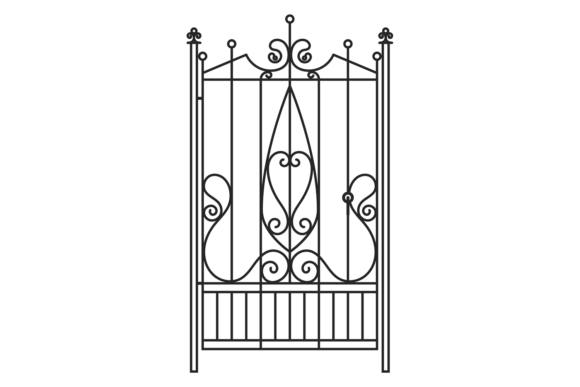
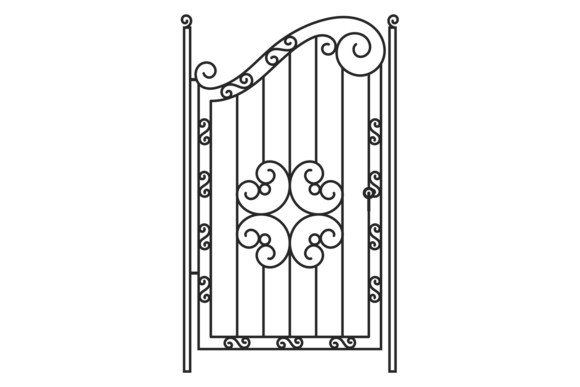
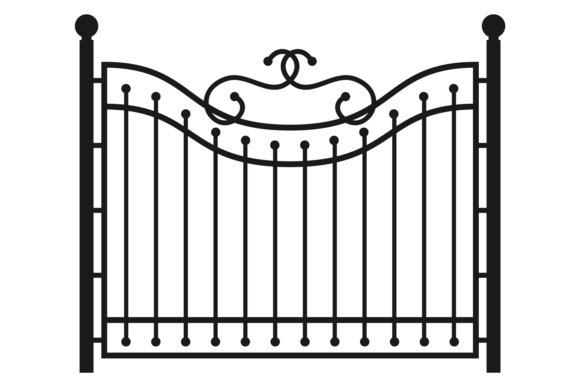
The "personality" of a Decorative Metal Lattice Fence in an Iron Black finish is one of sophistication, durability, and timeless elegance. Visually, these assets are characterized by intricate scrollwork, symmetrical geometric patterns, and the stark, grounding presence of black against lighter backgrounds. When isolated on a white background, the high contrast makes the details pop, allowing for versatile application in various design scenarios.
This style fits perfectly into the category of modern typography and graphic assets because it mimics the weight and structure of a heavy serif font or a bold display font. It commands attention without being chaotic. For a brand strategist or graphic designer, using a transparent PNG of this fence adds a layer of Victorian or industrial luxury to a layout. It suggests that a brand values tradition but presents it with a modern, clean edge. It is not just a fence; it is a design statement that conveys security and exclusivity.
Practical Applications for Designers and Creators
So, where does a Decorative Metal Lattice Fence asset actually work best? The applications are surprisingly diverse, spanning across digital and print mediums.
- Logo Design and Brand Identity: If you are building a brand for a luxury real estate firm, a high-end landscaping company, or a bespoke furniture maker, the lattice pattern can serve as a background texture or a framing device for a logo design. It instantly communicates quality and attention to detail.
- Editorial and Packaging Design: In editorial design, a semi-transparent lattice can act as a decorative header or footer for magazine layouts. For packaging design, especially in the wine, spirits, or gourmet food sectors, the Iron Black railing pattern evokes a sense of cellar heritage and premium quality.
- Web Design and Social Media: On websites, these assets work well as section dividers or hero image overlays, adding depth without distracting from the text. For social media graphics, a quick SVG or PNG overlay can transform a generic photo into a branded story template, maintaining visual consistency across platforms like Instagram or Pinterest.
Influence on Visual Hierarchy and Engagement
Using a Decorative Metal Lattice Fence element is more than just decoration; it is a tool for managing visual hierarchy. In design theory, lines and grids guide the eye. The strong vertical and horizontal lines inherent in a lattice fence help contain information. When used as a border, it prevents the viewer's eye from wandering off the page, effectively focusing attention on the central message.
This asset acts much like a sans serif font in its clean execution but retains the warmth of a script font through its ornamental curves. This duality helps in audience engagement. It feels familiar and trustworthy, which is crucial for small business owners trying to establish credibility. By incorporating these vector files into your design assets, you ensure that your visual communication feels grounded and professional. The consistency of the pattern helps in building brand recognition; just as a specific typeface becomes associated with a voice, the Iron Black lattice becomes associated with a standard of quality.
Choosing and Implementing the Right Asset
Selecting the right file format is just as important as choosing the right creative font. Here is a practical guide for implementation:
- Evaluate the Format: If you are printing large-scale banners or signage, you need the EPS or SVG vector files to ensure the lines remain crisp at any size. For web use, a transparent PNG is often sufficient and loads faster, though SVG is preferred for responsive web design.
- Testing Pairings (The "Font Pairing" of Graphics): Just as you pair a serif with a sans serif, pair the ornate lattice with clean, open spaces. If your layout is busy, use the lattice sparingly. If the layout is minimal, the fence can take up more real estate. Treat the fence pattern like a bold handwritten font—it needs room to breathe.
- Readability Considerations: Never place body text directly over a high-contrast lattice pattern without a solid or semi-transparent background layer behind the text. The intricate lines of the Decorative Metal Lattice Fence can make reading difficult. Use it for headers, borders, or watermarks where text legibility is less critical.
- Licensing: Always check the commercial font and asset licensing. If you are using these vectors for a client’s merchandise or a mass-market product, ensure the license covers commercial use. Most stock sites offer different tiers for personal vs. commercial projects.
Final Thoughts on Style and Strategy
Ultimately, the Decorative Metal Lattice Fence in Iron Black is a versatile design asset. It bridges the gap between physical architecture and digital design. For marketers, it offers a way to frame a message with authority. For crafters and hobbyists, it provides an elegant element for invitations or scrapbooking. By treating this visual element with the same strategic thought you would apply to choosing a typeface, you can unlock a new level of professionalism in your work. It is not just a fence; it is a framework for better design.