Living Room Decorative Furniture: A Designer's Guide to This Asset
Every creative project needs that one element that ties everything together, creating a sense of place and personality. When your work aims to evoke warmth, sophistication, or a welcoming atmosphere, the right visual language is crucial. This is where a thoughtfully crafted design asset like Living Room Decorative Furniture becomes invaluable. It’s more than just a collection of shapes; it’s a toolkit for building scenes that feel lived-in and authentic.
This asset provides you with six distinct digital files, each offering a different perspective on stylish interior elements. The high-resolution 3000px by 2000px canvas ensures your work remains crisp and detailed, whether you're designing a small social media graphic or a large-format print. The included formats—AI, EPS, SVG, DXF, JPG, and PNG—cover virtually every design workflow. You can easily edit vectors in Illustrator, use the SVG in web development, or drop the PNG into a presentation. This flexibility makes it a practical choice for professionals who need assets that work across different mediums without constant reformatting.
The Visual Character and Style
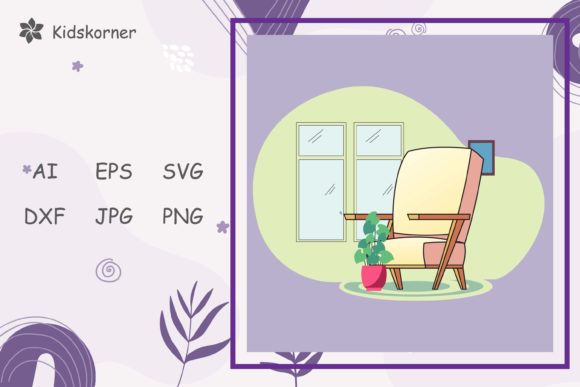
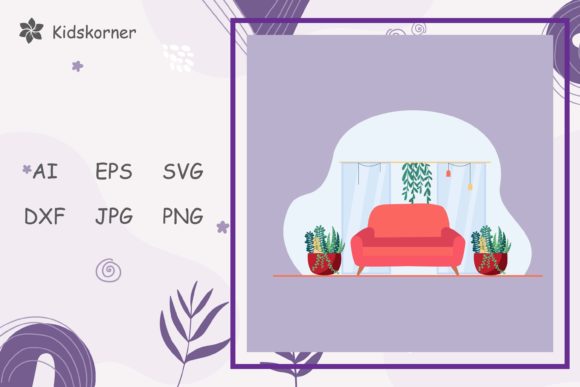
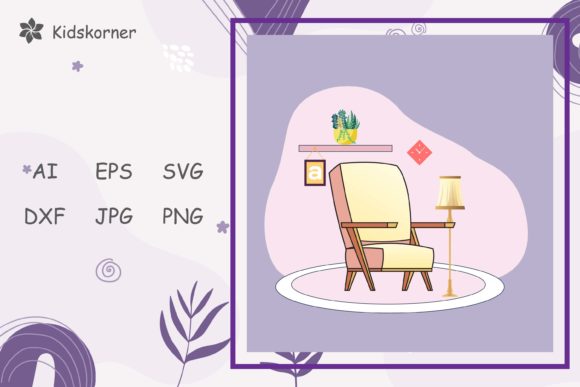
The essence of this collection lies in its curated aesthetic. Think of it as a designer's mood board brought to life. The furniture pieces represented likely blend contemporary clean lines with classic comfort. You might find sleek, mid-century modern silhouettes alongside plush, textured upholstery. The color palette, as seen in the JPG and PNG files, probably leans towards neutral, earthy tones—think warm grays, soft creams, rich taupes, and muted greens. This approach is strategic; it allows the furniture to serve as a versatile foundation rather than a distracting focal point.
The personality of Living Room Decorative Furniture is one of understated elegance and approachable style. It avoids the cold minimalism of ultra-modern design and the cluttered excess of traditional ornamentation. Instead, it strikes a balance that feels both current and timeless. This makes it an excellent resource for projects that need to communicate comfort, reliability, and taste. For a brand identity project for a home goods store or an interior design blog, these assets can establish a visual tone that feels immediately familiar and trustworthy to the target audience.
Practical Applications for Creatives
Understanding where an asset shines is key to using it effectively. The applications for this furniture set are broad, spanning both digital and physical realms. For editorial design, such as magazine layouts or blog headers, these elements can create immersive environments that draw readers into an article about home decor or lifestyle trends. In packaging design, a subtle illustration of a stylish armchair or lamp can hint at the product's quality and intended use, especially for items like candles, room sprays, or artisanal home goods.
Digital marketers and content creators will find it particularly useful. The PNG files with transparent backgrounds are perfect for layering into social media graphics, website banners, or email newsletters. Imagine promoting a webinar on "Creating a Productive Home Office" with a background featuring a well-appointed desk setup from this collection. The visual immediately sets the context. For entrepreneurs and small business owners, using consistent, high-quality imagery like this across your platforms builds a professional and cohesive online presence. It tells customers you care about detail and quality, which translates directly to your brand's perceived value.
Integrating the Asset into Your Workflow
Before diving in, consider how this asset fits with your project's existing elements. If you're working on a logo design, these detailed illustrations might be too complex for a primary mark, but they could be perfect for a supporting pattern or a brand illustration style. For a website redesign, the SVG files allow for scalable, fast-loading graphics that enhance user experience without sacrificing quality.
A critical step is evaluating font pairings if your project involves text overlay. The classic, comfortable feel of the furniture pairs well with clean, readable sans serif fonts for a modern look, or with elegant serif fonts for a more traditional, editorial feel. Avoid overly playful or script fonts unless the context is very specific, as they might clash with the furniture's sophisticated simplicity. Always test your type choices at the size they'll be viewed to ensure readability.
Remember, the included vector files (AI, EPS, SVG) are your most powerful tools for customization. You can change colors to match a specific brand identity, remove individual elements to simplify a scene, or scale components infinitely without losing quality. This level of control is what separates a generic stock asset from a truly useful design asset. By thoughtfully integrating Living Room Decorative Furniture into your projects, you're not just adding images; you're injecting a specific mood and level of detail that can significantly enhance audience engagement and the overall effectiveness of your communication.