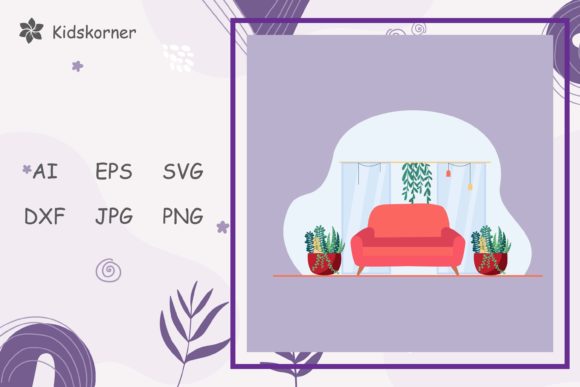
Living Room Decorative Interior: A Guide to Stylish Design Assets
The aesthetic of a comfortable, stylish living room is something almost everyone recognizes. It evokes feelings of relaxation, personality, and curated taste. Translating that specific feeling into a visual project, however, requires the right design assets. This is where a resource like the Living Room Decorative Interior collection becomes invaluable. It’s not just a set of files; it’s a visual toolkit designed to bring that cozy, sophisticated ambiance directly into your creative work.
More Than Just a Graphic: Understanding the Collection's Personality
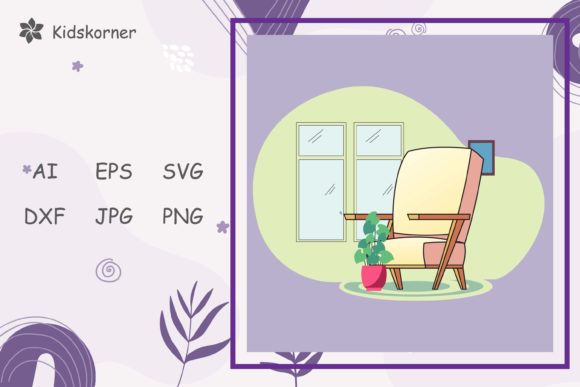
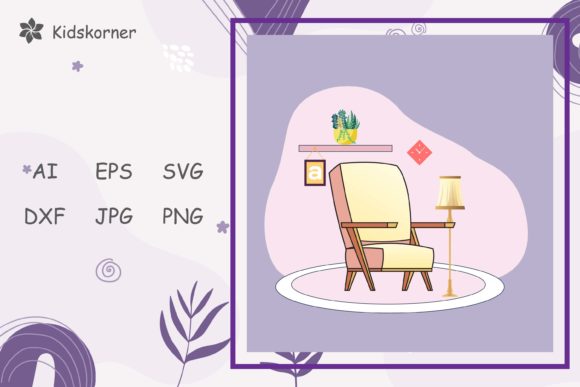
At its core, this offering is a versatile set of digital illustrations and motifs. The visual style leans into contemporary interior design trends—think clean lines, organic shapes, botanical elements, and elegant furniture silhouettes. The overall appeal is one of refined simplicity. It avoids being overly ornate or cluttered, instead focusing on elements that suggest a thoughtfully designed space. The personality is calm, modern, and inviting, making it a strong foundation for projects that aim to feel aspirational yet accessible.
The true strength lies in its format variety. Receiving the artwork as an AI File, EPS File, SVG File, DXF File, JPG File, and PNG File at a substantial 3000px x 2000px canvas size is a significant practical advantage. For a designer, this means the vector files (AI, EPS, SVG) can be scaled to billboard size without losing a pixel of quality. The raster files (JPG, PNG) are high-resolution enough for most print and digital applications. This flexibility is what separates a professional-grade premium font or asset from a basic download.
Where This Style Truly Shines: Practical Applications
Knowing what you have is one thing; knowing where to use it is where strategy comes in. The Living Room Decorative Interior collection is exceptionally adaptable across a wide spectrum of projects.
- For Branding and Marketing: If you're a lifestyle blogger, a real estate agent, or a home décor brand, these assets are perfect for creating a cohesive brand identity. Use the motifs in your logo design to subtly hint at your niche, or integrate them into social media graphics and website banners to establish a consistent, professional aesthetic. The clean style ensures it works well as a background for text or as a standalone decorative element.
- For Editorial and Publishing: In editorial design, such as magazine layouts, e-book covers, or blog post headers, these graphics can set the tone immediately. They provide visual interest without overpowering the main content, which is crucial for maintaining readability and a clear visual hierarchy.
- For Packaging and Product Design: Imagine the cover of a luxury candle, a planner, or a stationery set. The sophisticated interior design elements can elevate a product's perceived value, influencing brand perception towards quality and taste. It's a subtle cue that tells customers you care about details.
- For Personal and Commercial Craft: For crafters and hobbyists, the DXF File is particularly useful for cutting machines like Cricut or Silhouette, allowing you to create decals, stencils, or appliqués. The SVG File is perfect for web-based projects or other vector applications.
Making It Work for You: Guidance on Selection and Use
Integrating any new design asset into a project requires a bit of forethought. Here’s how to approach using a collection like this effectively.
First, evaluate the project fit. Does the modern, slightly minimalist personality of the Living Room Decorative Interior align with your project's goals? It’s a fantastic match for brands targeting a 25-45 demographic with an interest in home, lifestyle, or wellness. It might feel less appropriate for a project requiring a gritty, urban, or heavily historical aesthetic.
Next, consider your font pairing. The clean nature of these graphics pairs beautifully with a wide range of typefaces. A classic serif font can add a touch of traditional elegance, while a geometric sans serif font will amplify the modern feel. A delicate script font or handwritten font could be used for accents, but use it sparingly to avoid visual clutter. The goal is modern typography that complements, not competes with, the imagery.
Always review the included styles. With six different file formats, you have the flexibility to choose the right tool for the job. Use the vector formats for anything that might need resizing or color adjustment. Use the high-resolution JPGs for social media or presentations where a quick, ready-to-use file is needed.
Finally, mind the readability considerations. If you plan to overlay text on top of these decorative elements, ensure there is sufficient contrast. You might need to place a semi-transparent shape behind your text or choose a bold, clear typeface to maintain legibility.
By viewing this collection not as a single piece of clipart, but as a versatile set of creative font-like tools for visual communication, you can unlock its full potential. It’s about using these elements strategically to build recognition, establish professionalism, and engage your specific audience in a way that feels both authentic and visually compelling.