Mastering the Title Ribbon Banner Template: A Designer's Guide
There’s a certain magic in a well-placed ribbon. It instantly communicates importance, celebration, or a special callout. For designers and creators, having a reliable Title Ribbon Banner Template in your toolkit is like having a secret weapon for quick, impactful typography. This particular decorative style, often seen as a black drawing isolated on a white background, offers a timeless, versatile graphic element that can elevate countless projects. Let's explore how to use this asset effectively beyond just a simple decoration.
The Anatomy of a Classic Decorative Ribbon
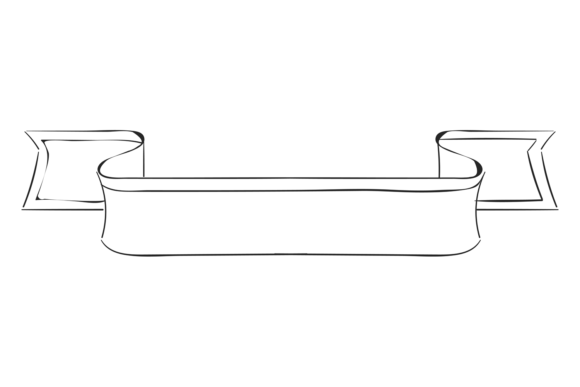
At its core, this Title Ribbon Banner Template is a piece of vector art, typically provided in formats like EPS, SVG, and transparent PNG. Its strength lies in its simplicity and clarity. The "black drawing isolated on white background" description points to a clean, high-contrast line art style. This isn't a photorealistic, textured ribbon; it's a stylized, graphic interpretation. The personality is often classic, slightly retro, or elegantly vintage, making it a premium font asset in the sense that it adds a layer of polish and intentionality. Its visual appeal comes from the graceful curves and folds of the ribbon, which create a natural frame for text, guiding the viewer's eye directly to the title or message you place within it.
This style of decorative element pairs beautifully with a range of typography. It often complements serif fonts for a traditional feel or can contrast sharply with a clean sans serif font for a more modern take. Think of it not as the primary typeface itself, but as a powerful container that enhances the display font you choose to put inside. Its role is to frame, emphasize, and add a touch of ceremony to your words.
Strategic Applications: Where This Template Shines
Knowing what it is and where to use it are two different things. This Title Ribbon Banner Template excels in projects where you need to draw immediate attention to a key piece of information. Its applications span the creative spectrum, offering value to professionals and hobbyists alike.
- Brand Identity & Logo Design: A ribbon can wrap around a brand name or tagline within a logo design, adding a sense of establishment or award-winning quality. It’s perfect for bakeries, boutique agencies, or any brand wanting a classic touch.
- Editorial & Publishing: In editorial design, use it to highlight a pull quote, a chapter title in a book layout, or a featured article headline in a magazine. It breaks up text-heavy pages and creates visual interest.
- Packaging Design: On product packaging, a ribbon banner can announce "New Formula," "Limited Edition," or "Award Winner." It adds a tactile, gift-like quality to the design, enhancing shelf appeal.
- Digital & Web Design: For web design, use it as a hero section call-to-action, a promotional banner for a sale, or a decorative element in an email newsletter. The transparent PNG format is particularly useful here for overlaying on images or colored backgrounds.
- Social Media & Marketing: Social media graphics thrive on quick visual hooks. A ribbon template can frame a testimonial, highlight a discount code, or make a contest announcement stand out in a crowded feed.
- Personal & Craft Projects: For crafters and hobbyists, this asset is gold. Use it for wedding invitations, party banners, scrapbooking, or DIY printables. The SVG format is ideal for cutting machines like Cricut or Silhouette.
Maximizing Impact: Practical Design Considerations
Simply placing text on a ribbon isn't enough. To truly leverage this design asset, you need to consider how it influences your overall composition and message.
Readability and Visual Hierarchy
The ribbon creates a natural focal point. Use this to your advantage to establish a clear visual hierarchy. The text inside the ribbon should be your most important message. Choose a font with good readability at the size you'll be using. Avoid overly ornate script fonts or handwritten fonts for long titles inside the banner, as they can become difficult to read, especially at smaller sizes. A bold sans serif font or a sturdy serif font often works best for clarity.
Font Pairing and Consistency
The ribbon itself sets a tone. Your other typographic choices should align with it. For a cohesive brand identity, pair the ribbon with fonts that share a similar era or style. If the ribbon feels vintage, consider a classic serif like Garamond or a mid-century sans serif. This consistency strengthens your brand's professional appearance and aids in brand recognition. When testing font pairing, mock up the ribbon with your headline and body copy fonts together to see if they harmonize or clash.
Evaluating the Asset Itself
When you acquire a Title Ribbon Banner Template, review what's included. Does it offer multiple styles (e.g., flat, folded, with tails)? Are the files well-organized? For commercial use, always verify the commercial font or asset license. Can you use it in client work? In products for sale? Understanding the terms protects you and your business. A good template will provide the flexibility needed for various creative font applications, from digital to print.
Ultimately, this decorative element is more than just a pretty picture. It's a strategic tool for guiding attention, adding personality, and creating a professional finish. By thoughtfully integrating this Title Ribbon Banner Template into your work, you can transform ordinary layouts into compelling, visually engaging designs that resonate with your audience. It’s a small asset that can make a significant difference in your modern typography toolkit.