The Allure of the Red Bowtie Icon: More Than Just a Ribbon
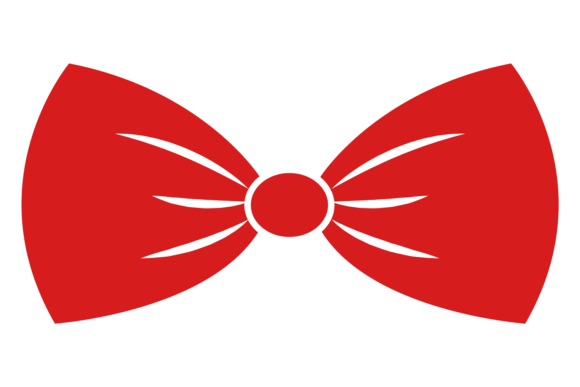
There’s an immediate sense of occasion when you see the Red Bowtie Icon. Decorative Ribbon. Part. It’s not just a graphic element; it’s a visual shorthand for celebration, elegance, and a touch of playful formality. This isn't a generic clip-art bow. It carries personality—a confident, polished, and slightly whimsical charm that can instantly elevate a design. Think of it as the digital equivalent of a perfectly tied silk bow on a gift box. Its curves have a deliberate, crafted feel, suggesting quality and attention to detail. The "red" in its name isn't just a color descriptor; it's a promise of vibrancy and impact, making it a powerful accent in any visual toolkit.
Where This Decorative Element Truly Shines
Understanding the Red Bowtie Icon. Decorative Ribbon. Part is about recognizing its best applications. This is a creative font asset—more precisely, a decorative icon set—that excels as an accent, not the workhorse. Its strength lies in adding focal points and thematic cues. In logo design, a single, well-placed bowtie icon can infuse a brand with personality, perfect for boutique shops, event planners, gift services, or children's apparel. For packaging design, it’s a natural fit. Imagine it on a bakery box, a wine label for a celebratory vintage, or the corner of a luxury cosmetic package. It instantly communicates "special."
Its applications extend beautifully into the digital realm. For social media graphics, the icon serves as a fantastic header or footer accent for announcements, sales, or holiday promotions. In editorial design, think of chapter headings in a lifestyle magazine or section dividers in a blog post about party planning. The key is context. It pairs exceptionally well with clean, modern typography. A bold sans serif font for headlines or a classic serif font for body copy provides the perfect stable foundation, allowing the decorative ribbon to add flair without causing visual chaos.
Influencing Perception and Brand Identity
Integrating the Red Bowtie Icon. Decorative Ribbon. Part is a strategic choice that directly influences brand identity. It doesn't just decorate; it communicates. It suggests a brand that values celebration, meticulous preparation, and a certain classic charm. For a small business owner, using this icon consistently can build instant recognition. Customers begin to associate that specific decorative flourish with your brand's promise of quality and joy. This consistency across your website, packaging, and marketing materials is a cornerstone of professional brand identity, building trust and memorability.
However, its impact on visual hierarchy and readability must be managed carefully. Overuse is the fastest way to dilute its power and clutter your design. Think of it as the exclamation point in your visual sentence—use it once for emphasis, not after every word. The icon should guide the eye, not compete with your message. A practical test: squint at your design. If the bowtie is the first thing you see, it might be overpowering your core content. Its role is to support and enhance, to make the overall composition feel more considered and complete.
Practical Guidance for Designers and Creators
If you’re considering adding the Red Bowtie Icon. Decorative Ribbon. Part to your design assets, a thoughtful evaluation is key. First, examine the file formats. The availability of EPS, JPG, SVG, and transparent PNG is a significant advantage. The SVG format is invaluable for web design as it scales perfectly without losing quality. The transparent PNG is essential for layering the icon over photos or colored backgrounds seamlessly. Always check the commercial font or asset license. Ensure it covers your intended use, whether for client projects, merchandise, or digital products.
Next, conduct a pairing test. Don’t just drop it into your existing project. Create a small mood board. Place the bowtie icon next to your chosen typeface. Does it harmonize or fight for attention? Try it with a script font for a more luxurious, invitation-style feel, but be cautious—this can quickly become overly ornate. Often, the most effective pairings are with simpler sans serif or serif fonts that provide contrast. Test it in context: mock up a business card, a website hero banner, or a social media post. Does it add the intended value, or does it feel forced?
Finally, consider the color. While named "red," the icon's style may work recolored to match your brand palette. A deep burgundy, a soft pink, or even a metallic gold can dramatically alter its personality, making it more versatile. The real-world value of an asset like the Red Bowtie Icon. Decorative Ribbon. Part lies in its ability to inject a specific, positive emotion into your work. Used with intention and restraint, it becomes more than an icon—it becomes a signature element that tells a story of celebration and craft, resonating deeply with an audience that appreciates those qualities.