The Stylized Berry Branch Decorative Element: More Than Just a Font
There’s a certain kind of design asset that doesn’t just sit on a page—it tells a story. The Stylized Berry Branch Decorative Element is precisely that kind of tool. It’s not merely a set of characters; it’s a visual narrative, a botanical ornament with a personality all its own. For designers, marketers, and creators looking to inject a touch of organic elegance into their work, understanding this element is the first step toward using it effectively. Let’s break down what makes it special and how you can put it to work in your projects.
Understanding the Visual Character
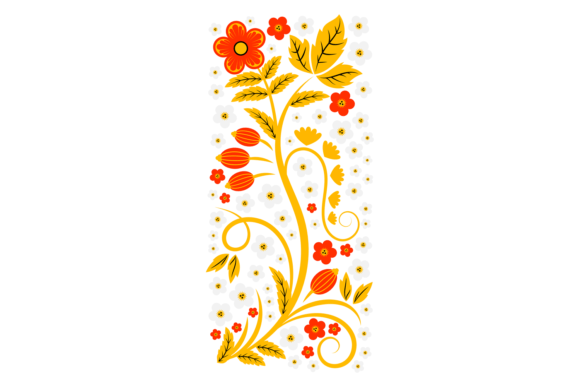
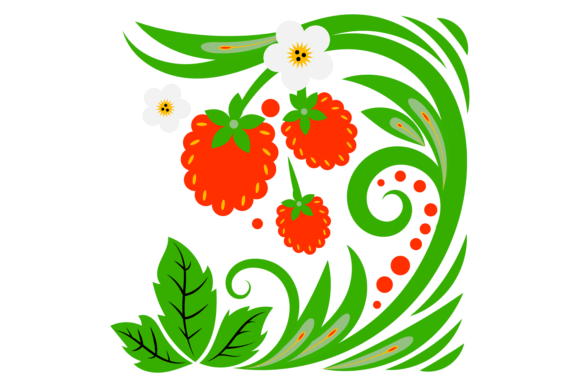
At its heart, the Stylized Berry Branch Decorative Element is a botanical illustration translated into a versatile design asset. Its visual characteristics are defined by flowing, organic lines that mimic the delicate structure of a berry-laden branch. Think of graceful curves forming stems, gentle loops for leaves, and clusters of round, stylized berries. The style often walks a line between realism and abstraction, capturing the essence of nature without getting bogged down in photorealistic detail. This gives it a modern typography adjacent feel—it’s clean enough for contemporary design but rich with a timeless, artisanal quality.
The overall appeal lies in its versatility and mood. It can evoke a sense of rustic charm, sophisticated garden-party elegance, or even a minimalist botanical aesthetic, depending on the color palette and context in which it’s used. Unlike a rigid sans serif font or a formal serif font, this decorative element brings softness and life. It’s a creative font in spirit, designed to add visual interest and personality where standard typefaces might fall short. Its isolated presentation on a white background, available in formats like EPS, SVG, and transparent PNG, makes it incredibly easy for designers to integrate into any project without worrying about clashing backgrounds.
Where This Botanical Element Shines
The true strength of the Stylized Berry Branch Decorative Element is its adaptability across a wide spectrum of creative projects. It’s not a workhorse display font for body copy, but a specialized tool for adding flair and focus. In logo design, it can serve as the central motif for brands in the wellness, beauty, artisan food, or lifestyle sectors. Imagine it framing a brand name for a organic skincare line or a boutique floral studio—it immediately communicates a connection to nature and craftsmanship.
For editorial design and publishing, it’s a gem. Use it as a chapter opener in a cookbook, a decorative header in a lifestyle magazine, or an ornamental border for a wedding invitation suite. In packaging design, it can transform a simple label for jams, candles, or teas into something that feels premium and thoughtfully curated. The element’s style also translates beautifully to social media graphics, where a single, well-placed branch can elevate an Instagram story or a Pinterest pin, making it stand out in a crowded feed. For small business owners and crafters, it’s a fantastic asset for creating cohesive brand materials, from business cards to thank-you notes, building a recognizable and professional brand identity.
Practical Guidance for Implementation
Choosing to use the Stylized Berry Branch Decorative Element is one thing; using it well is another. First, always consider the project’s tone. This element thrives in contexts that value elegance, nature, or artisanal quality. It might feel out of place in a corporate financial report but perfect for a bakery’s menu. Evaluate the fit by asking: Does this add the right kind of personality, or is it decorative clutter?
When it comes to font pairing, this is where strategy matters. Because the berry branch is ornate, it pairs best with simple, clean typefaces. A classic serif font for body text or a neutral sans serif font can provide excellent contrast, letting the decorative element be the star without overwhelming the viewer. Avoid pairing it with other highly decorative script fonts or handwritten fonts, as this can create visual chaos.
Always review the included file formats. A transparent PNG is perfect for quick drag-and-drop use in digital projects like web design or social media. An EPS or SVG file is superior for print work or when you need to scale the element without losing quality, which is crucial for professional applications. For commercial use, verify the licensing. Most premium font and asset packages come with clear licenses for both personal and commercial projects, but it’s your responsibility to ensure you’re compliant, especially for client work or products for sale.
Finally, test for readability and visual hierarchy. This element is best used as an accent, not as a replacement for legible text. In a logo, it might frame the brand name. On a website, it could be a subtle background watermark or a section divider. Its role is to guide the eye and enhance the message, not to become the message itself. By applying the Stylized Berry Branch Decorative Element with intention, you transform it from a simple graphic into a powerful component of your design assets toolkit, capable of elevating the perception and engagement of any project it graces.