Decorative Filigree Corner Elements: The Art of Ornate Frames
When you first encounter a high-quality set of Decorative Filigree Corner Elements, the immediate reaction is often a mix of appreciation and curiosity. These are not just simple lines or basic shapes; they are intricate, swirling motifs that evoke a sense of history, luxury, and craftsmanship. Unlike a standard font that dictates the shape of letters, these ornamental design assets dictate the atmosphere of a space. They act as the visual equivalent of crown molding in a historic home or the gilded frame around a Renaissance painting. For designers and creatives, understanding how to wield these ornate square frames—whether available as an EPS, JPG, SVG, or transparent PNG—is about mastering the art of negative space and visual hierarchy. It is about knowing when a project needs that extra layer of sophistication that only hand-drawn, intricate detailing can provide.
The Anatomy of an Ornate Square Frame
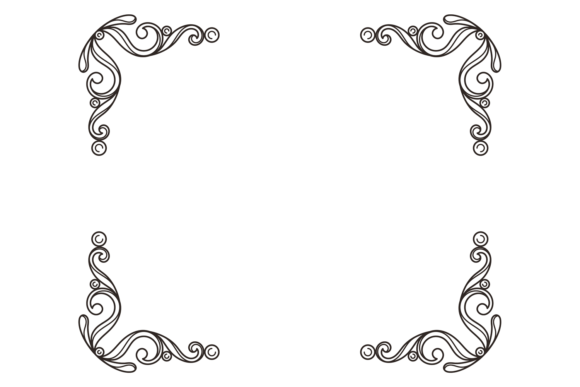
At its core, a filigree corner element is defined by its complexity and flow. Typically, you will see a combination of floral motifs, acanthus leaves, and delicate, curving lines that spiral into tight volutes. The "personality" of these elements is unmistakable: they are baroque, classical, and inherently premium. However, not all filigree is created equal. Some sets lean heavily into a Victorian aesthetic with dark, heavy shadows and thick strokes, while others might adopt a lighter, more ethereal "Art Nouveau" style with thinner, more organic connections.
When evaluating the visual style of these Decorative Filigree Corner Elements, pay close attention to the weight of the line. A heavier, bolder filigree works well for large-scale print or signage where visibility from a distance is key. Conversely, a delicate, hairline filigree is perfect for digital overlays or stationery where the texture needs to be felt rather than shouted. The "Orn" aspect often implies a level of symmetry. While the corners themselves are symmetrical, the way they interact with the center of the frame creates a dynamic visual tension. This symmetry is crucial for brand identity, as it subconsciously signals stability, order, and trustworthiness to the viewer.
Where These Elements Truly Shine
The versatility of an ornate square frame is surprisingly broad, provided you understand the context. For packaging design, these elements are invaluable. Imagine a luxury chocolate box or a high-end candle label; the filigree corners instantly elevate the perceived value of the product, suggesting that what is inside is worth the premium price tag. In editorial design, such as magazine covers or book layouts, these ornaments can be used to frame pull quotes, author bios, or chapter headings, adding a touch of literary gravitas.
In the digital realm, social media graphics benefit immensely from these assets. A generic sale announcement can be transformed into an exclusive VIP event invitation simply by adding ornate corners. They also play a significant role in logo design, particularly for businesses in the beauty, jewelry, legal, or real estate sectors. A monogram or initial encased in filigree corners immediately communicates heritage and high standards. However, a word of caution: these are display elements. Using them in body text or on cluttered backgrounds will result in visual noise. They need breathing room to be appreciated.
Strategic Implementation for Brand Perception
Using Decorative Filigree Corner Elements is a strategic decision that influences how an audience perceives a brand. If your brand voice is modern, minimalist, and tech-focused, heavy Victorian filigree will likely clash with your sans serif font choices and create a disjointed experience. However, if your brand aims for "Modern Heritage"—a mix of contemporary layout with traditional values—pairing these ornate elements with a clean serif font or even a bold sans serif font can create a striking contrast that feels both timeless and current.
Visual hierarchy is another critical factor. The eye is naturally drawn to complexity. Therefore, a filigree corner will almost always be a focal point. You must design around it, not under it. If you place a filigree corner in the top left of a poster, the viewer's eye will start there. Use this to your advantage to guide the reader toward the most important information, such as a headline or a call to action. This technique is often used in web design for hero sections or landing pages intended to capture high-value leads.
Practical Workflow: Selecting and Pairing
When sourcing these design assets, the file format matters. A transparent PNG is excellent for quick mockups or digital use where you need to drop the element onto a photo without worrying about white boxes obscuring the background. However, for professional print design, you need vector formats like EPS or SVG. Vectors ensure that the intricate details of the filigree remain crisp and sharp, whether you are printing on a business card or scaling up to a billboard.
Font pairing is where the magic happens. Because filigree is inherently decorative, it generally pairs best with clean typography. A highly detailed script font or a busy handwritten font will fight with the filigree for attention, making the text illegible. Instead, try pairing the ornate corners with a robust slab serif for a vintage vibe, or a geometric sans serif for a high-fashion look. The contrast between the organic, flowing nature of the filigree and the structured geometry of the text creates a balanced composition.
- Testing for Readability: Always zoom out. If the corners are too intricate, they may become a muddy blob when printed small.
- Color Theory: Gold or bronze tones are traditional, but don't be afraid to recolor the elements to match your brand identity. A neon pink filigree on a black background creates a very different, edgy aesthetic.
- Commercial Licensing: Ensure the asset comes with a license that covers your specific use case, whether for merchandise, digital products, or client work.
Ultimately, Decorative Filigree Corner Elements