Elevate Your Design with Ornate Corner Elements
The Allure of Decorative Floral Borders
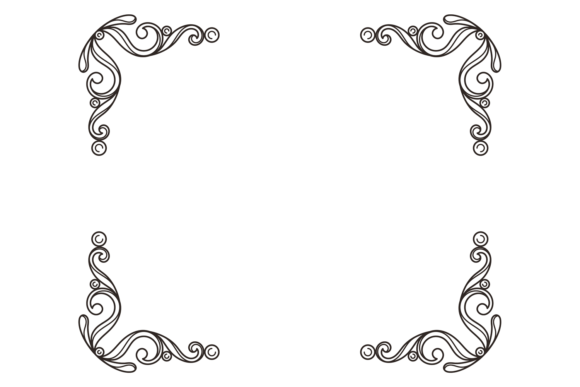
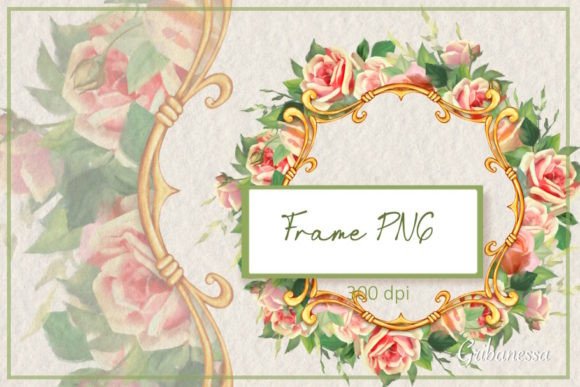
In the world of design, the smallest details often carry the most weight. An Ornate Corner Element featuring decorative floral motifs isn't just a graphic—it's a statement of elegance, craftsmanship, and intention. These intricate border designs, often found as isolated assets on a white background in formats like EPS, JPG, SVG, and transparent PNG, serve as the visual punctuation marks that can transform a good layout into a memorable one. They whisper of vintage charm, artisanal quality, and a meticulous attention to detail that audiences instinctively appreciate.
Visually, these elements are characterized by flowing curves, symmetrical scrollwork, and stylized botanical forms—think acanthus leaves, roses, or abstract vines woven into a cohesive corner unit. Their personality is one of sophistication and timelessness. They don't shout for attention; rather, they frame and elevate the content they adorn, adding a layer of depth and artistry. Whether rendered in a delicate line art style or with subtle shading, an ornate corner element provides a versatile anchor for composition, guiding the viewer's eye and creating a polished, cohesive look.
Practical Applications Across Creative Projects
Understanding where to deploy a decorative floral and ornate corner element is key to leveraging its full potential. Its applications are vast, spanning both digital and print realms. For logo design and brand identity, incorporating such an element into a brand mark, business card, or letterhead can instantly communicate heritage, luxury, or artisanal values. It works beautifully for boutique brands, wedding planners, high-end retailers, and any business aiming to project a classic or romantic aesthetic.
In editorial design and publishing, these corners grace magazine covers, chapter headings in books, or the margins of premium reports, adding a touch of typographic finesse. Packaging design benefits immensely; a floral corner on a cosmetic box, a food label, or a gift tag can enhance perceived value and shelf appeal. For digital projects, they are invaluable in web design for decorating headers, footers, or content blocks, and in creating standout social media graphics for posts, stories, and profile banners. Crafters and hobbyists can use them in scrapbooking, custom stationery, and DIY wedding invitations, making personal projects feel professionally designed.
Influencing Perception and Engagement
The strategic use of an ornate corner element does more than just decorate—it actively shapes how your content is received. From a visual hierarchy perspective, these elements can define sections, create natural resting points for the eye, and separate content blocks without harsh lines. This subtle guidance improves overall readability and flow. For brand perception, consistency in using such a creative font asset (in this case, a graphic asset) builds recognition. When audiences repeatedly see a distinctive floral corner in your materials, it becomes a recognizable signature, enhancing brand recall and professionalism.
The element's style directly influences audience engagement. A delicate, intricate floral border might evoke feelings of nostalgia, romance, and meticulous care, appealing to audiences seeking authenticity and beauty. In contrast, a bolder, more geometric interpretation of an ornate corner could align with modern luxury or art deco revival themes. The key is alignment; the element's personality must resonate with your brand's voice and your audience's expectations to create an emotional connection that goes beyond mere information delivery.
Choosing and Implementing Your Ornate Corner Element
When selecting a premium font or design asset like an ornate corner element, a methodical approach ensures a perfect fit. First, evaluate the project's tone. Is it formal, whimsical, vintage, or minimalist? The typeface of corner you choose should complement—not clash with—your primary display font or body copy. A highly detailed floral corner might overwhelm a delicate script font, while a simpler design could get lost beside a bold sans serif font.
Practical testing is non-negotiable. Place the corner element in a mockup of your actual design—on a website header, a printed flyer, or a social media post. Assess its readability impact; ensure it doesn't encroach on critical text or make the layout feel cluttered. Review all included styles and file formats. A good commercial font or asset pack will offer variations in weight, complexity, and file types (vector EPS or SVG for scalability, transparent PNG for easy digital placement).
Finally, consider font pairing in a broader sense. While you're not pairing two typefaces, you are pairing a graphic element with typography. The curves of the floral scroll should harmonize with the curves in your chosen letterforms. For instance, a serif font with elegant bracketed serifs often pairs naturally with a classic ornate corner. Always verify the licensing for commercial use, especially if the asset will be used in client work, merchandise, or mass-distributed materials. A legitimate design asset comes with clear terms that protect both you and your client.
By thoughtfully integrating an ornate corner element, you're not just filling space. You're investing in a detail that communicates quality, frames your message with artistry, and creates a more immersive and professional experience for your audience. It’s a small piece of the design puzzle that can, quite literally, tie everything together.