Elevate Your Design with Metal Fence Railing Ornament
More Than Just a Border: The Character of Metalwork
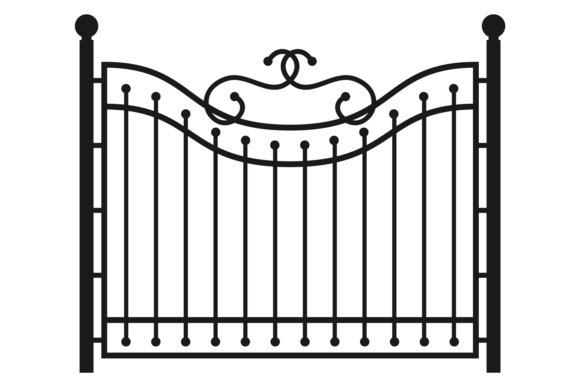
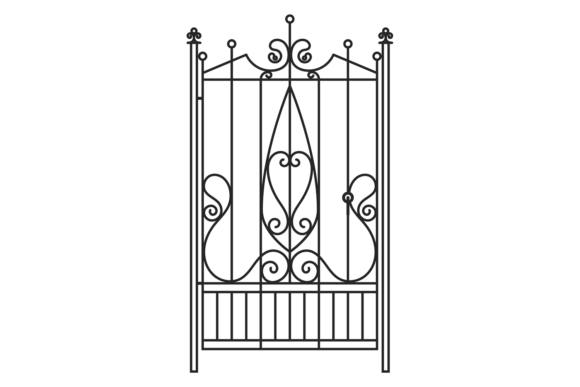
When you first encounter a design asset like Fence Railing Decorative Ornament. Metal, it’s easy to see it as a simple border or divider. But that’s like calling a cathedral’s ironwork just a gate. This element carries a distinct personality—one of intricate craftsmanship, timeless durability, and a touch of architectural grandeur. The visual characteristics are defined by repeating geometric patterns, graceful scrollwork, and the unmistakable solidity of wrought iron or cast metal. It has a weight to it, both literally in its visual heft and figuratively in the sense of tradition and permanence it conveys. This isn't a fleeting trend; it's a style with roots in historical design, offering a sense of stability and refined elegance.
The overall appeal lies in its dual nature. It can feel formal and classical, evoking the gates of old estates or public gardens, or it can be adapted to feel modern and industrial, especially when paired with clean typography and a minimalist layout. The "metal" aspect is key—it suggests texture, reflection, and a physical presence that flat graphics often lack. For a designer, this asset is a versatile tool for adding instant depth, structure, and a narrative of quality to a project.
Strategic Applications for Maximum Impact
Knowing what this ornament is is one thing; knowing where to deploy it effectively is where the real value lies. Its strengths are best showcased in contexts where structure, heritage, and sophistication are desired. Think of it as a design anchor.
- Branding & Logo Design: For businesses in bespoke craftsmanship, high-end landscaping, architectural firms, heritage brands, or even boutique hotels, integrating a simplified version of this ornament into a logo or as a brand pattern can instantly communicate quality and timelessness. It works beautifully as a subtle watermark on stationery or a striking header element on a website.
- Editorial & Packaging Design: In publishing, it can frame chapter headings in a historical novel or add elegance to a magazine spread about interior design. For packaging, especially for artisanal foods, luxury spirits, or garden products, a metal ornament border elevates the perceived value, telling the customer that care has been taken with every detail.
- Digital & Social Media: While it’s a detailed asset, it can be used effectively in digital spaces. Consider it as a decorative header for a long-form blog post on a design-focused site, an accent in a Pinterest graphic for home renovation tips, or as part of the thematic styling for a Facebook event cover for a gallery opening. The key is using it at an appropriate scale where its detail is discernible without overwhelming the digital canvas.
- Personal & Craft Projects: For crafters and hobbyists, this is a goldmine. Use it to create stunning vinyl decals for furniture, intricate borders for handmade greeting cards, or stencils for painting projects. Its scalable vector formats (like SVG) make it perfect for cutting machines and precise applications.
The influence on your project's perception is profound. This premium font (used here as a metaphorical design asset) doesn't just decorate; it directs. It establishes a clear visual hierarchy, guiding the viewer's eye along a defined path. It boosts brand perception by aligning with values of durability and artistry. In a crowded market, such a distinctive element aids in brand recognition, creating a consistent and professional signature across all touchpoints.
Practical Integration: From Selection to Final Design
So, you're convinced of its potential. How do you actually work with it? Here’s a practical guide to making Fence Railing Decorative Ornament. Metal work for you, not against you.
Evaluating the Fit and Style
Before you download, ask: Does this ornament's personality match my project's voice? If your brand is ultra-modern and minimalist, a heavily ornate Victorian scroll might clash. Look for assets that offer variations or simpler iterations of the core pattern. Many design assets come in packs with different levels of complexity. Always preview the EPS, JPG, SVG, and transparent PNG files. The SVG is your best friend for scalability and editing, while the PNG is perfect for quick drag-and-drop use with a transparent background.
Testing and Pairing
This is where your designer's eye comes in. Never use an ornate element in isolation. It needs conversation partners. Pair it with the right typography. A strong, simple sans serif font can provide a beautiful modern contrast, allowing the ornate metalwork to stand out as a feature. A complementary serif font can lean into the classic feel, creating a harmonious, traditional look. Avoid pairing it with overly decorative script fonts or handwritten fonts, as this can create visual competition and reduce readability. Use the ornament for headers, dividers, or corner accents, and let your primary typeface handle the body copy.
Technical Considerations and Licensing
For web design, be mindful of file size. A complex SVG can be optimized. For print, ensure the resolution is high enough for your output. Most importantly, understand the commercial font (asset) licensing. Does the license cover your intended use—whether it's for a client's logo, merchandise for sale, or a personal blog? Reputable marketplaces will make this clear. Treat this asset as you would any other creative font or professional tool: respect its origins and use it within its permitted scope.
Ultimately, Fence Railing Decorative Ornament. Metal is more than a clipart image. It's a piece of modern typography in the broadest sense—a visual language element that speaks of structure, beauty, and endurance. Used thoughtfully, it can transform a flat design into a tactile experience, anchor a brand in a narrative of quality, and give your creative projects a layer of sophisticated detail that resonates with your audience. It’s a tool for telling a better design story.